










You imagine the perfect summer day: Warm sand under your feet, salty air, your dog jumping through the waves, full of life. Everything feels light. Until suddenly, a yelp breaks the idyll. Your dog withdraws, appears tense, or is nervously licking its mouth. Just a fleeting moment, and unfortunately, there is very often more to it:
Mouth injuries in dogs at the beach or at a swimming lake are not a rarity, yet they often come as a surprise. What look like harmless holiday props can quickly become a real danger for your four-legged friend. Above all, seashells, sand toys, sticks, or even the saltwater itself can have dire consequences for your pet's sensitive mouth area. In this article, we explain how to recognize typical risks, act correctly, and ensure your dog has a safe break by the sea. Because toothaches definitely don’t belong in your holiday luggage.
Typical sources of danger at the beach
For many dogs, the beach is a paradise: They dig in the sand with devotion, chase sticks with enthusiasm, or sniff curiously at everything the sea has to offer. But as free and playful as these moments may seem, the dangers to a dog's sensitive mouth often lurk unseen.
Broken seashells are among the most frequent culprits. They are often sharp-edged, barely visible in the sand, and can cause painful injuries to the gums when chewed or stepped on. In the worst case, it can even lead to small tooth fractures. Hard plastic toys that are accidentally chewed up are also problematic. Splinters can bore into the gums and lead to irritation or inflammation there.
Driftwood or dried seaweed seem harmless but are often brittle due to the saltwater. When chewed, they break easily and can press sharp pieces into the gums or the palate. And even crustaceans like crabs are more than just exciting beach finds. Their hard shells or claws can leave small but very painful injuries in the mouths of overly curious dogs.
What begins with a happy game can therefore quickly become unpleasant and distressing for your dog. From minor mucosal injuries and inflammatory reactions caused by introduced germs to broken teeth, everything is possible. Especially on holiday, it is important to remain attentive and to recognize unusual behavior early.
Risks and symptoms of a mouth injury
Not every injury is immediately obvious. Especially with dogs that often bravely ignore pain while playing, a problem usually only shows itself through subtle behavioral changes. That is why your observation is particularly valuable. Pay attention to these typical warning signs when you are out and about at the beach with your dog:
-
Sudden withdrawal from play
If your dog suddenly withdraws or refuses the ball, there is often more to it than just tiredness. -
Frequent mouth licking or noticeable teeth chattering
These movements often indicate an uncomfortable feeling or pain in the mouth area. -
Refusal of food despite obvious hunger
A dog that seems hungry but avoids eating could be suffering from tooth or mouth pain. -
Traces of blood on the ball, stick, or toy
If you discover fresh blood while playing, you should definitely take a look – small injuries often hide well inside the mouth. -
Swelling or pus-filled areas around the mouth
Such changes are signs of an existing infection that should be treated quickly. -
A sudden misaligned bite or visible tooth loss
This can indicate a broken tooth causing your dog severe discomfort.
A mouth injury at the beach should never be underestimated. Especially the salty sea water can further irritate open wounds and carry germs deep into the mucous membranes. Even seemingly small injuries can become infected within a few hours. Therefore: Safety before carelessness!
First aid for mouth injuries – step by step
If you suspect your dog has injured its mouth, you should first stay calm. A quick look into the mouth can reveal a lot. Watch out for redness, small cuts, or unusual swelling. Even if not everything is immediately visible, trust your gut feeling. The faster you react, the better you can avoid follow-up damage.
After visiting the beach, a gentle cleaning around the snout and lips is worthwhile. This removes sand, salt, and potential bacterial residue before they can penetrate small wounds. It is best to use lukewarm, clean water or a particularly skin-friendly dog shampoo. Our recommendations: our emmi-pet Natural Moisture Shampoo, our emmi-pet Natural Repair Shampoo for irritated skin, or our emmi-pet Moisture Shampoo with Coconut with a calming scent and extra care effect.
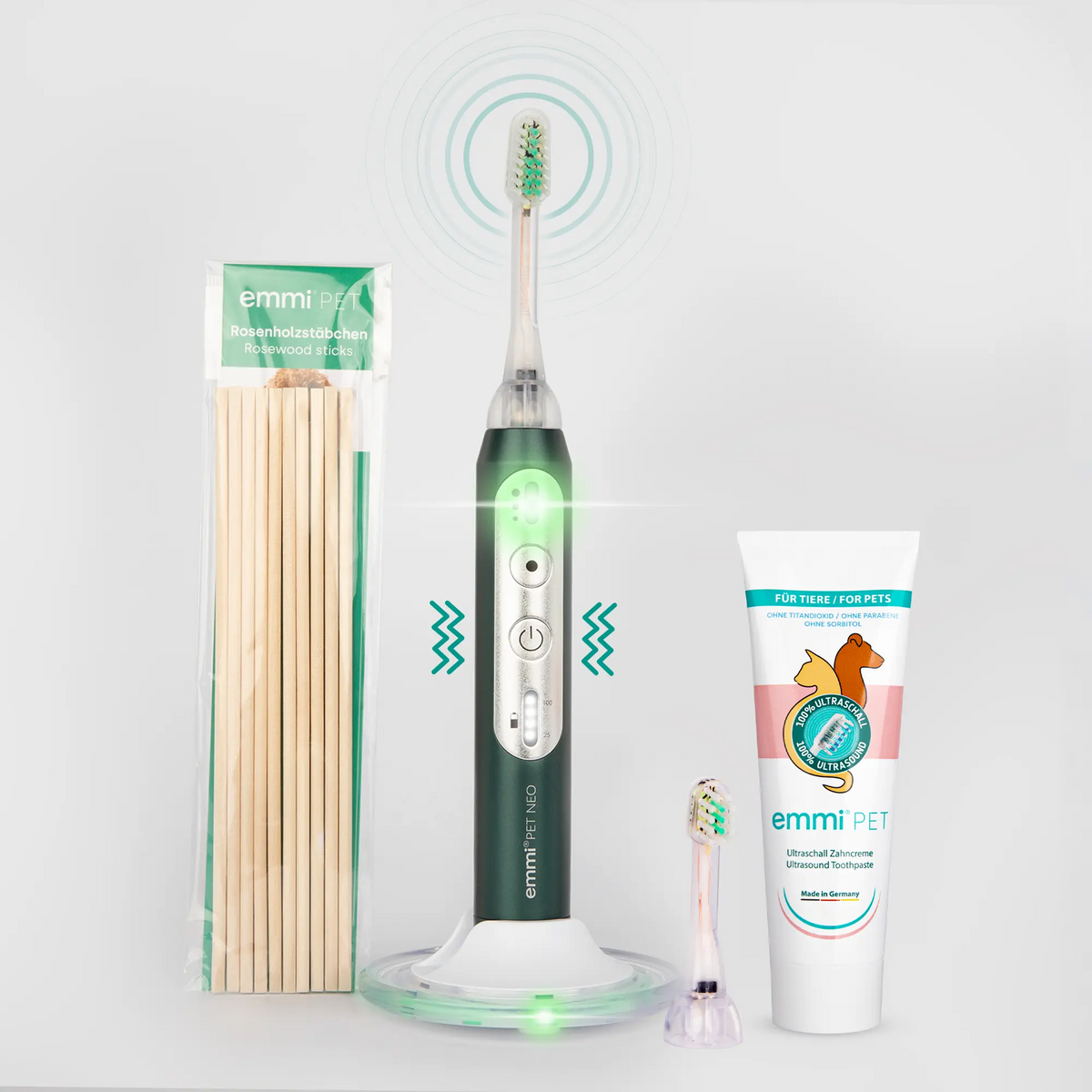
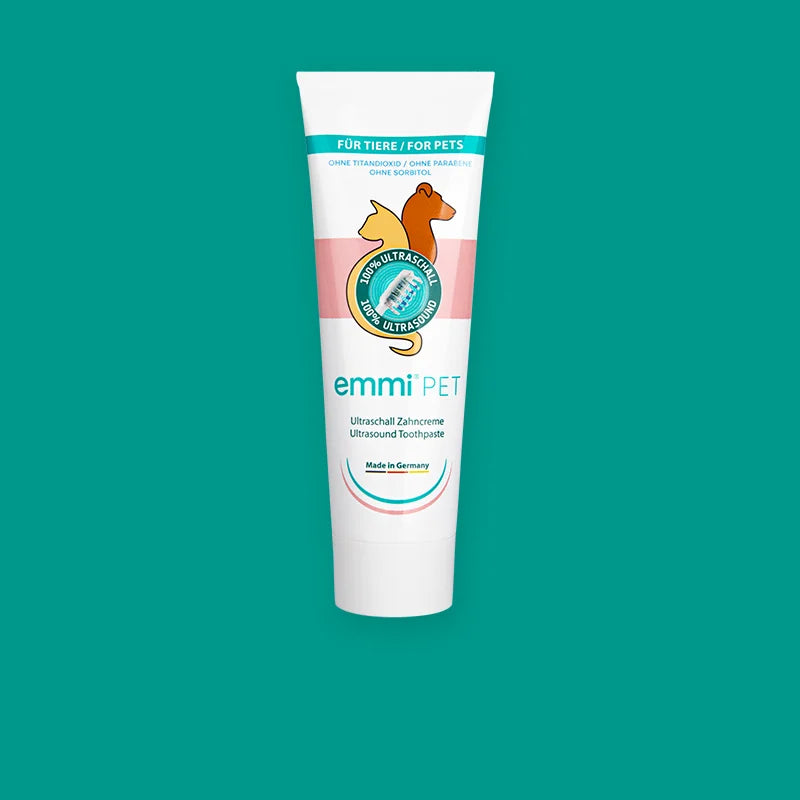
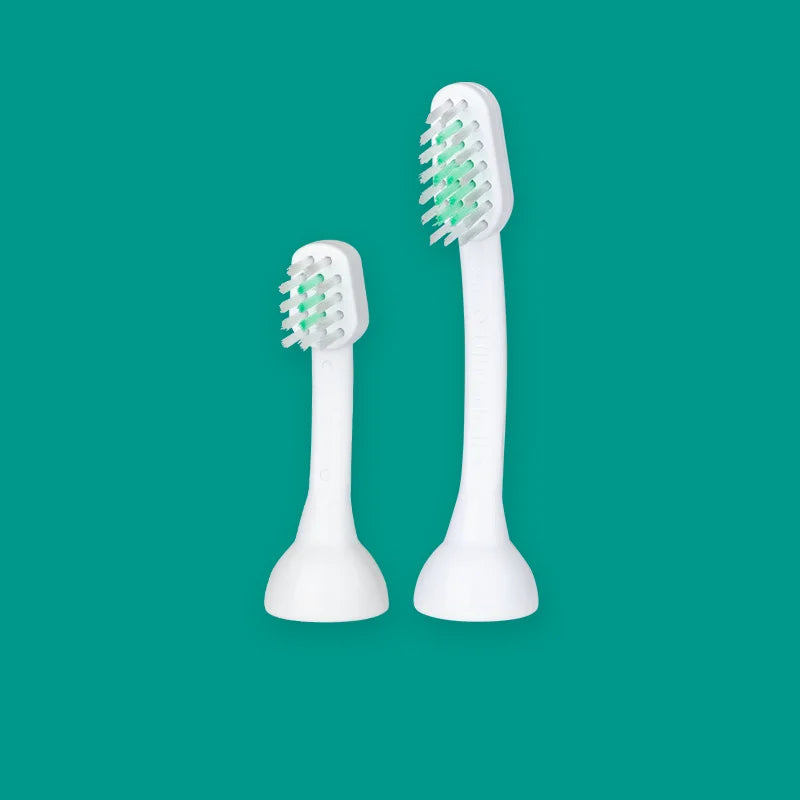
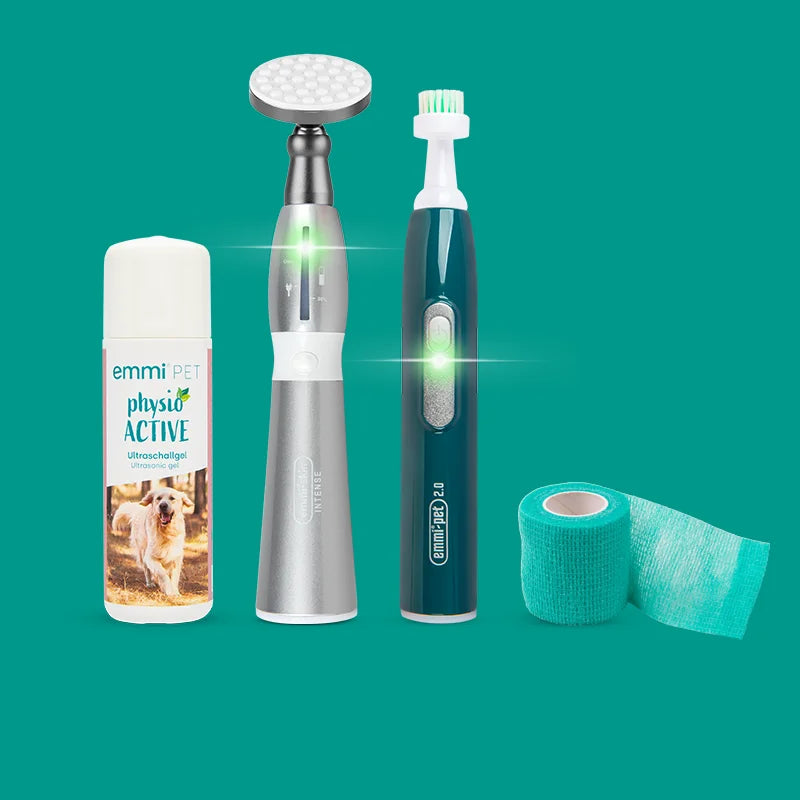
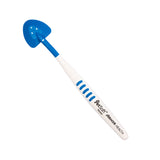
If the suspicion of a tooth injury is more concrete, you can also rely on gentle dental care with ultrasound. The emmi-pet ultrasonic toothbrushes clean completely without mechanical pressure. They are ideal for sensitive gums or irritated areas in the mouth. This way, you not only protect your dog from further discomfort but also actively support healing.
Tip: Observe your dog carefully over the next 24 to 48 hours. Even small changes in behavior or eating can be an important sign.
Quick Checklist:
-
Stay calm and secure your dog
Mouth injuries are painful. Gentle restraint or calming words help to avoid panic. -
Inspect the mouth carefully
Only with calm dogs! Look for foreign objects, blood, or fractures. -
Rinse with clean water
No saltwater! Use still water or sterile rinse solution to remove sand residue. -
Gently stop bleeding
Apply gentle pressure with gauze or fabric. Do not rub! -
Contact a vet
In case of heavier bleeding, broken teeth, or deep tears, definitely see a professional within the next few hours. This is especially true for typical summer mouth injuries involving sand or wood fragments.
How to specifically prevent tooth injuries at the beach or lake
A relaxing time by the sea begins with good preparation. When you know what to look out for, you can enjoy the days with your dog without constant worry. Here you will find simple but effective tips that make your beach adventure safer.
-
Focus on targeted fetch training
Use soft, beach-appropriate toys that are easy to grip and pose no risk of injury to teeth or gums. This keeps play carefree, and your dog learns what is safe for them. -
Get used to regular mouth checks
A quick look into the mouth after playing is often enough to detect small injuries early. The sooner you notice something, the better you can react. -
Consciously avoid sticks or collecting seashells
Even if it looks cute when your dog presents a find – natural materials like wood or shells splinter easily and can cause serious damage. -
Always provide fresh drinking water
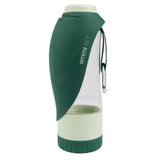
Especially after swimming in the sea, it is important that your dog can rinse their mouth. This helps to remove salt and sand and protects the mucous membranes from drying out. -
Pack a small emergency kit
A few gauze bandages, a sterile rinse solution, and a muzzle for emergencies can make a big difference if necessary. Better prepared than helpless – especially far from the vet. - With a little planning, your beach day will be not only beautiful but also safe. And that is exactly what matters for unforgettable holiday moments.
FAQ – Mouth injuries in summer
When something happens, you understandably want clarity quickly. That is why you will find the most frequently asked questions here that we receive time and again regarding mouth injuries in summer. Briefly answered and with valuable tips for your next beach visit.
Can my dog really lose teeth because of sand?
Yes. If your dog bites down on hard objects like small stones, shells, or plastic while playing, a tooth can break. This happens faster than many realize – especially when they are playing enthusiastically.
How dangerous is seawater in the mouth?
Seawater can irritate open sores in the mouth and often contains bacteria. This makes it particularly problematic for existing injuries. Even if your dog is used to it – open mucous membranes are vulnerable.
At what point should I see a vet for a mouth injury?
As soon as your dog becomes noticeably quiet, shows signs of pain, refuses food, or swelling becomes visible, you should have it checked by a professional. Don't wait too long – early help often prevents longer treatments.
What belongs in a well-equipped first-aid kit for the beach?
A few items are quite sufficient: clean water for rinsing, sterile gauze pads, a mild disinfectant solution, a soft toy as an alternative to natural materials, and – if necessary – a muzzle for emergencies.
Does brushing teeth after the beach help?
Yes, absolutely. Especially gentle ultrasonic tooth cleaning removes residue from sand, salt, and bacteria, soothes irritated gums, and supports the natural regeneration of the oral mucosa.
In short: Good preparation, careful observation, and the right care make your beach vacation not only wonderful but also safe.