







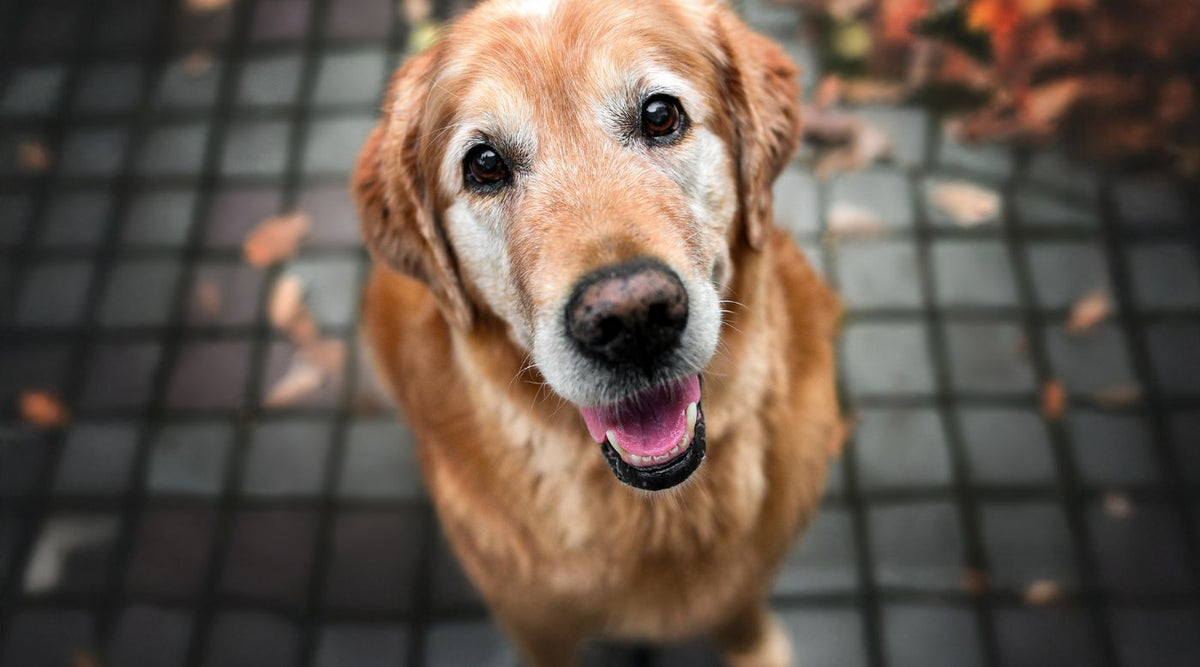
It begins quietly. Perhaps with a slower step on a walk or a gaze that looks a bit more tired. Your dog is getting older. A moment that triggers both melancholy and care. And while you may already be thinking about joint-friendly nutrition or soft bedding, it is easy to forget that teeth age, too. This is exactly where a silent retreat often begins, one that could be avoided.
Because a healthy canine mouth is much more than just fresh breath. It protects against persistent pain, hidden inflammation, and withdrawal from everyday life. Especially from the age of seven onwards, plaque, gum problems, and tartar increase noticeably. With loving, age-appropriate dental care, you can take targeted action and help your dog continue to eat, play, and enjoy life without worry in their old age. In this article, I will show you what matters now and how you can maintain the dental health of your senior dog over the long term using gentle methods.
Dental Health in Senior Dogs – What Changes After Age 7?
As your dog gets older, many things change, including in their mouth. What was once barely noticeable is now more apparent: The breath is no longer entirely fresh, chewing takes longer, and sometimes food is even left untouched. These subtle signs are not isolated cases, but first indications that dental health is changing. Just like joints and organs, a dog's teeth require special attention in their golden years.
From about the age of seven—often even earlier for smaller breeds—the senior phase of your dog's life begins. Now, saliva flow decreases, tooth enamel thins, and minor inflammation heals more slowly. Tartar forms more quickly, gums can recede, and teeth loosen more easily. Typical ailments such as periodontitis, bad breath, or chewing problems increase. But this is not an unavoidable fate. With targeted, gentle care, you can actively counteract these issues and preserve your senior dog's vitality.
Gentle Care Routine for Older Dogs
With age comes increased sensitivity, including in your dog's mouth. What used to work with playful tooth brushing now requires more sensitivity, patience, and mindfulness. Older dogs react more sensitively to pressure, unusual movements, or cool temperatures. That is why it is important to adjust your dental care routine. Loving, slow, and appropriate for your four-legged friend's age.
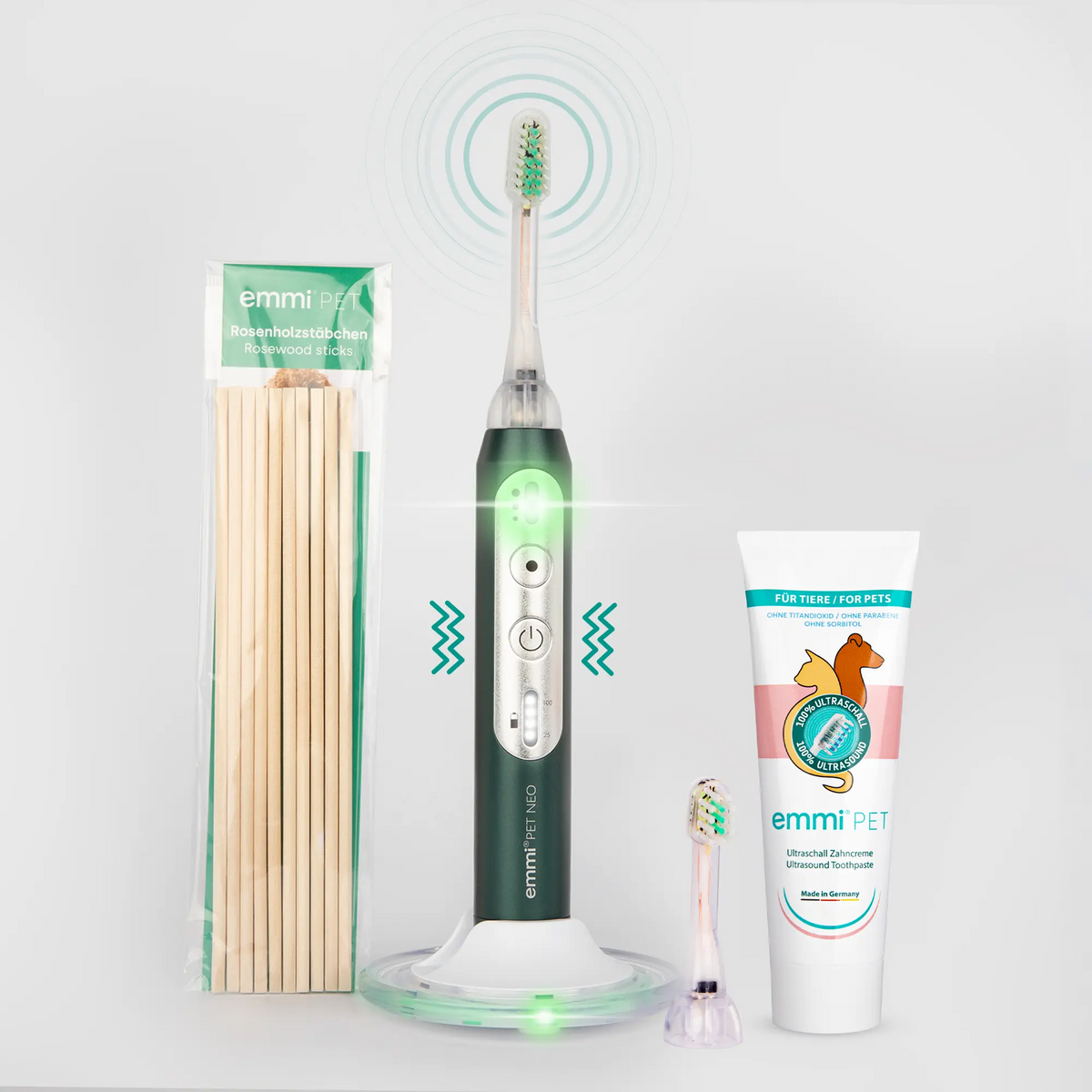
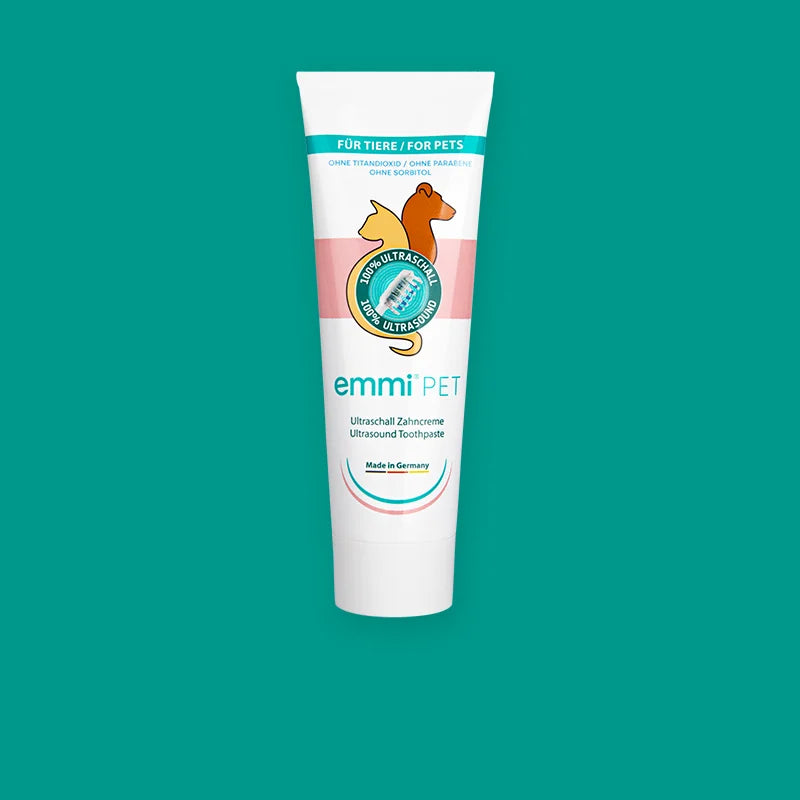
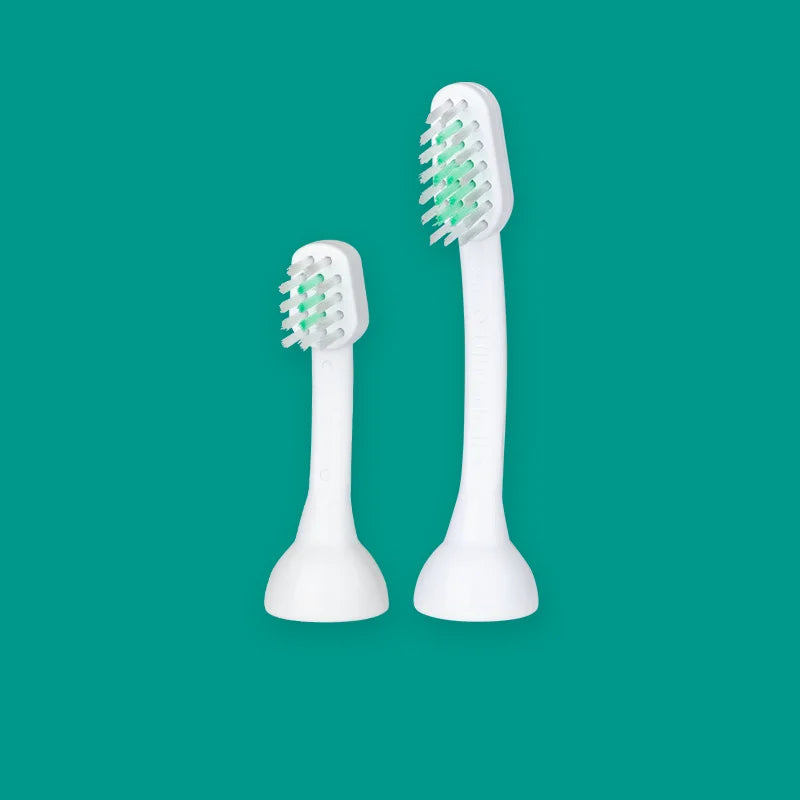
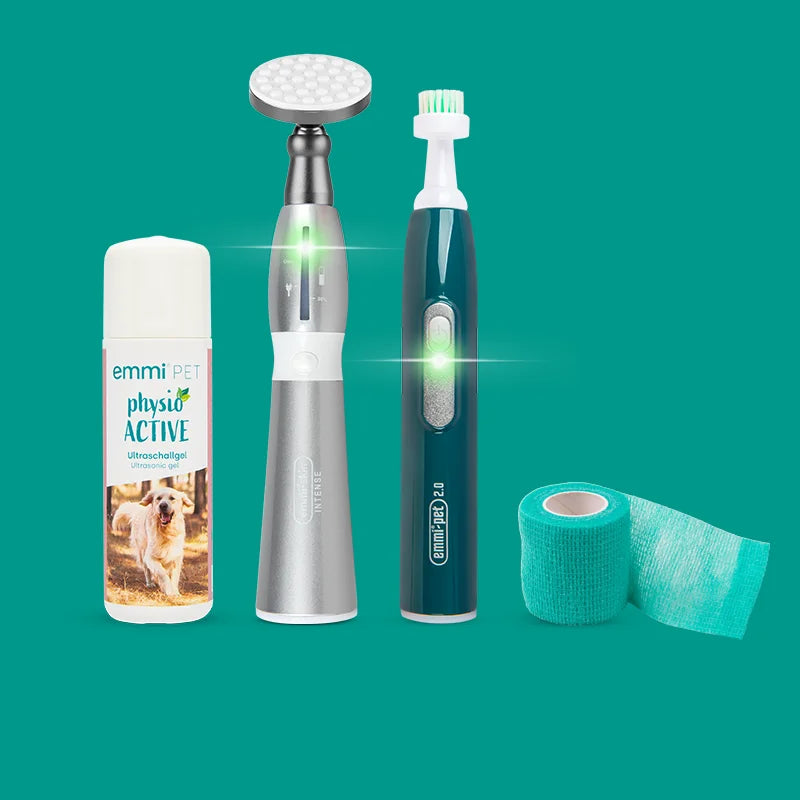
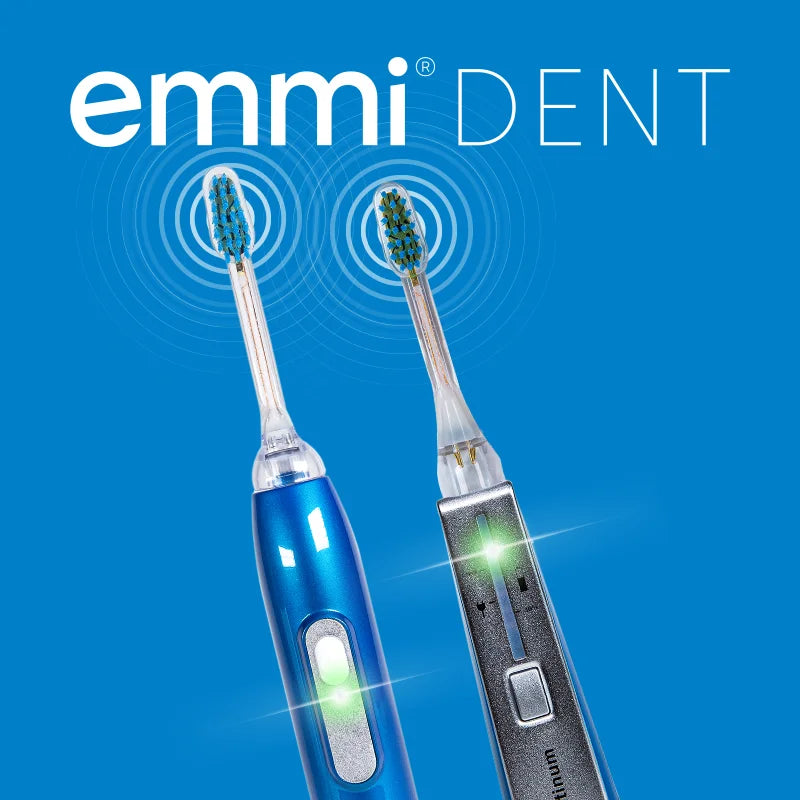
Instead of intense scrubbing and long cleaning sessions, the rule is now: short intervals, but regular. Use soft brush heads, pay attention to a comfortable room temperature, and guide your hand calmly without force. The emotional component is particularly important, and praise, a gentle voice, small breaks, and petting turn dental care into a moment of trust. An ultrasonic toothbrush like our emmi-pet is ideal because it cleans entirely without mechanical pressure. Even with loose teeth or sensitive gums, care is possible gently and helps ensure your dog remains healthy and pain-free in their old age.
Food and Snacks for Strong Senior Teeth
What ends up in the bowl affects more than just their figure. It directly impacts your dog's dental health. Especially in old age, consistency, nutrient composition, and the effect of the care play a decisive role. Soft yet chewable food can relieve the mouth without neglecting the chewing muscles. Mushy wet food alone often offers too little resistance—too hard chunks, on the other hand, can cause pain if teeth are loose.
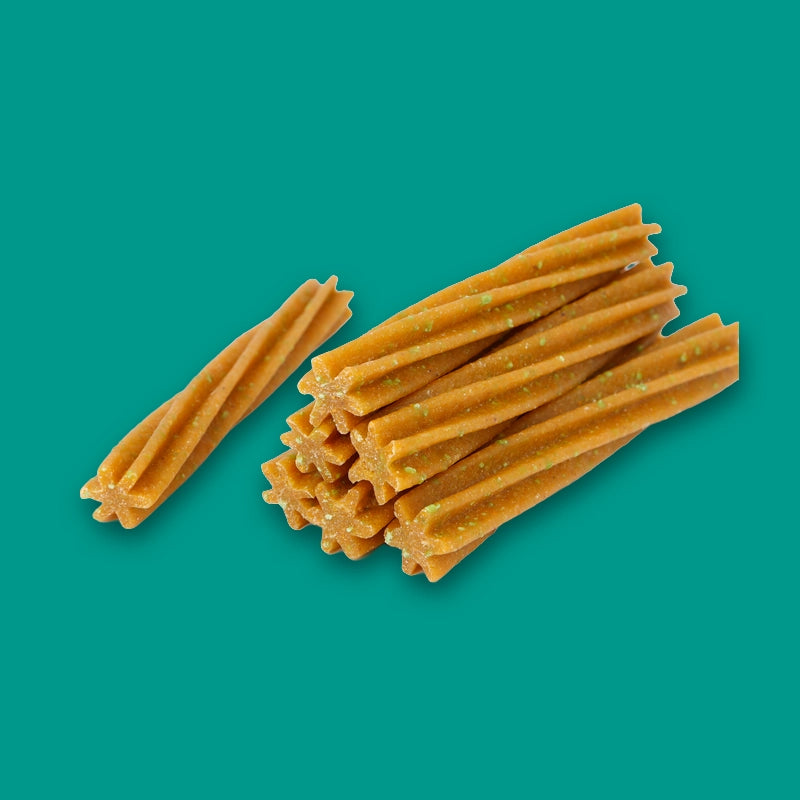
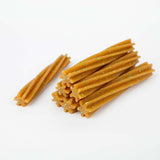
Ensure that the diet contains calcium and omega-3 fatty acids. They strengthen the gums and support the regeneration of the periodontium. Dietary fiber additionally stimulates saliva production, which helps to reduce bacteria in the mouth. Particularly recommended are chew sticks, which purposefully remove plaque and massage the gums.
Recognizing Warning Signs and Visiting a Professional
Some dogs barely show when something hurts. Older four-legged friends, in particular, often develop a silent tolerance for pain. This makes it even more important that you consciously notice small changes in behavior or body language. Because many dental problems initially go unnoticed and only cause visible complaints late on.
Therefore, pay special attention to the following signs:
Sudden head shaking or rubbing of the mouth can point to pain or foreign bodies in the gums. Noticeable bad breath that occurs suddenly or becomes more intense is often an indication of inflammation or tartar. Teeth grinding, smacking, or hesitation when eating suggest discomfort or pressure sensitivity in the mouth. If you discover traces of blood on the bowl, ball, or toy, you should be particularly attentive. Even increased drooling or slobbering lips are classic warning signs.
At the latest upon one of these signs, it is time for a professional check-up. Veterinarians recommend bi-annual check-ups from the age of seven onwards, or more frequently depending on the individual dental situation. Many practices now offer special senior consultations, where the focus is specifically on oral health, dental status, and painless food intake. This allows you to recognize problems early and give your dog the care they deserve in their old age.
FAQ – Dental Health in Elderly Dogs
Especially when your dog gets older, many questions arise: What is still normal? When does care start to help and when does it become a necessity? So that you can keep a close eye on your senior dog's dental health, you will find the most common questions and understandable answers here.
How often should I brush my senior dog's teeth?
Ideally daily. With a gentle ultrasonic toothbrush, three to four applications per week are also sufficient. They clean deeply and effectively, entirely without mechanical pressure.
Does my dog even need dental care in their old age?
Absolutely. Especially in old age, dental diseases often creep in unnoticed and cause pain without you realizing it immediately. Regular care can prevent these and alleviate discomfort.
What do I do if my dog doesn't like a toothbrush?
Patience is key. Slow acclimatization, positive reinforcement with praise or treats, and the use of gentle products help to integrate dental care into everyday life in a stress-free manner.
Are chew sticks alone sufficient?
Chew sticks and snacks are a useful supplement, but no substitute for a thorough tooth cleaning. They provide support when used regularly and appropriately for oral health.
When does a professional tooth cleaning make sense?
At the latest when you notice tartar, inflamed gums, or strong bad breath. Professional cleaning removes deposits that you cannot reach yourself and thus sustainably protects your dog's dental health.